Best of Model Codes

NFSA concentrates on NFPA 13, NFPA 13R, NFPA 20, NFPA 25, and other fire prevention standards. Every year, it also responds to dozens of inquiries on model codes, including those provided by the National Fire Protection Association (NFPA) and International Code Council (ICC), as noted below. Contractors and designers who are unfamiliar with model codes […]
Changes In The latest edition of NFPA 20

The NFPA released the 2022 version of NFPA 20. Everybody in the fire sprinkler business should be aware of the modifications in the most recent version of NFPA 20 that are covered in this article. Instead of providing a comprehensive list of all modifications to the standard, this overview will focus on outlining the ones […]
Fire Sprinkler Safety During Construction- 12 Q&A

Answer- Actually, the C-values required by NFPA 13 presuppose that the plumbing is old. For instance, Table 27.2.4.8.1 of the 2019 version of NFPA 13 requires the use of a C-value of 120 when calculating black steel pipe in a wet pipe system (using the Hazen-Williams calculation), although the actual C-value of modern black steel […]
Deciphering Fire Safety Codes for fire sprinkler system

According to NFPA 14 Section 7.3.2.2, hose connections must be placed on either side of a wall that is close to a horizontal exit’s exit aperture. When the travel distance is under 200 feet, Section 7.3.2.2.1 authorizes the removal of one hose connection on the opposite side. While the term “adjacent” does not currently have […]
An Overview of CAN/ULC-S1001: Making Fire Alarm Services Better

Introduction: Fire safety is a top priority in any building or structure, and the effectiveness of fire alarm systems is critical in guaranteeing occupant safety. The CAN/ULC-S1001 regulates the inspection, testing, and maintenance of fire alarm systems, and the fire alarm service business in Canada abides by the standards laid out in this document. In […]
The Elements of Fire Sprinkler System Design

Fire Sprinkler systems for fires save lives. Standard spray sprinklers are used to put out fires by chilling and wetting surfaces to remove fuel sources and stop flashover, which is when everything in a room suddenly ignites when it reaches the autoignition temperature. This is furthered by some sprinkler types in particular systems, which are […]
ESFR SPRINKLERS & other Q&A

The alphabet soup of fire protection acronyms includes several others in addition to ESFR. However, “early-suppression, fast-response” sprinklers are a particularly effective strategy for securing high-risk buildings. ESFR sprinklers, in contrast to many other sprinkler designs, are intended to directly combat the fire rather than merely control it. ESFR sprinkler obstruction rules are specific based […]
Effectiveness of sprinkler systems – choosing the proper equipment

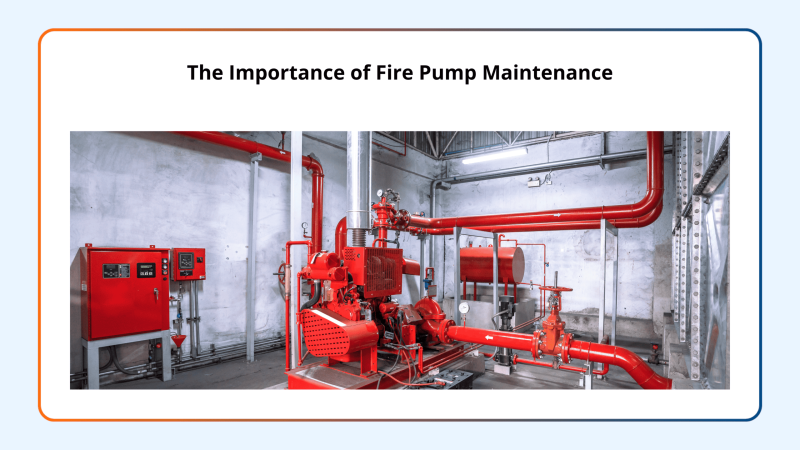
Introduction: Fire pumps are crucial components in fire sprinkler systems, providing water flow and pressure to fire sprinklers and standpipes. They are essential for controlling fire spread and preventing flashovers, and are often installed in larger buildings with extensive fire areas. Fire pumps are the costliest and most complicated single piece of equipment in a […]
Q&A related to sprinkler installation- Main Drain Gauge Location

INTRODUCTION: The main drain pressure gauge should be located on the riser itself, as it is likely to cause inconsistent pressure readings due to turbulence caused by the mechanical tee and elbow on the main drain. Additionally, the internal diameter of the apparatus the pressure gauge is installed on and the internal diameter of the […]
Q&A related to drywall sprinkler & fire hose inspection, testing and maintenance requirements

INTRODUCTION: NFPA 14 and NFPA 25 allow plastic caps to be used to protect hose connections threads on a standpipe connection, but they are not considered a deficiency. The International Building Code (IBC) requires standpipe hose connections in all interior exit stairways, which is defined by the building code. A plastic cap would be in […]