Basic Standard Measurements Suring Fire Sprinkler Installation
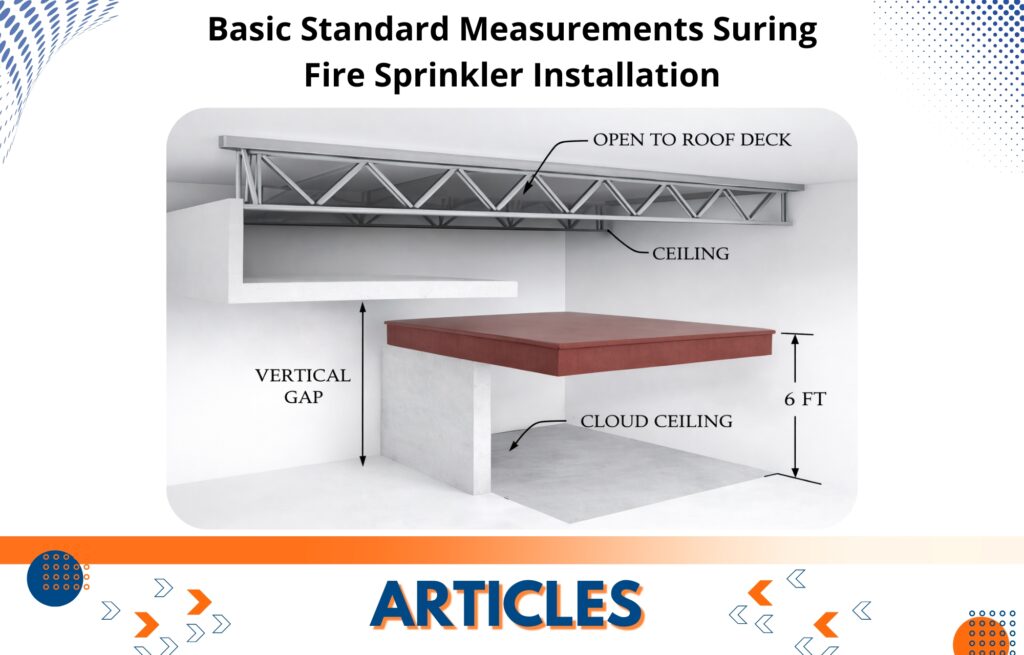
INTRODUCTION: System types, a system demand pressure of more than 150 psi, and when an FDC solely offers maintenance for a portion of a building or a group of buildings are the three criteria for a fire department connection (FDC). Additionally, manual standpipes that are both “wet” and “dry” must be identified […]
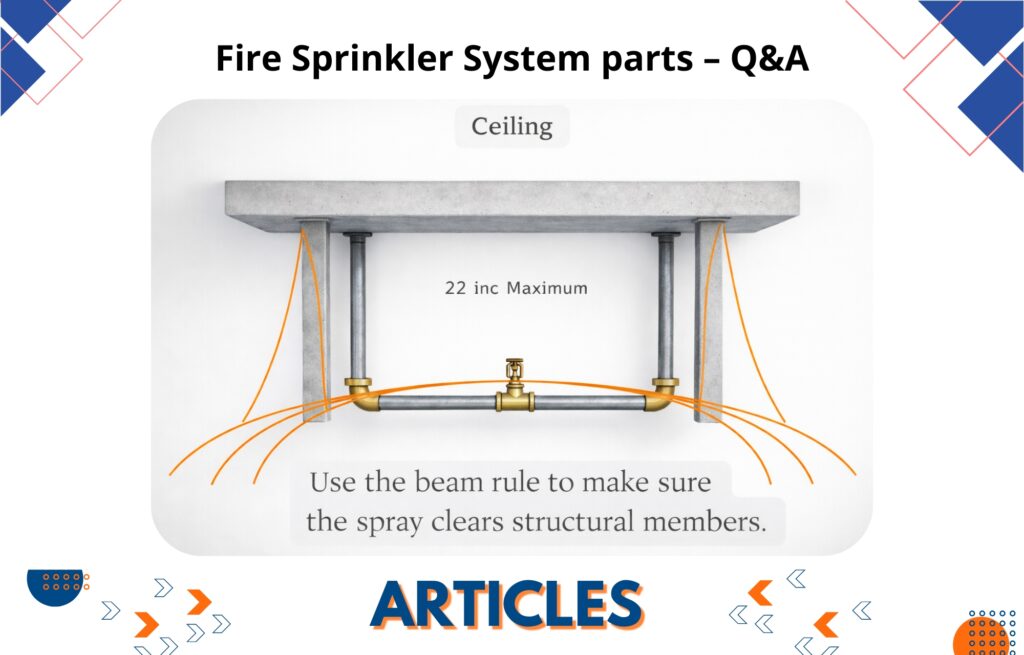
Sprinkler installations and obstructions – Q&A
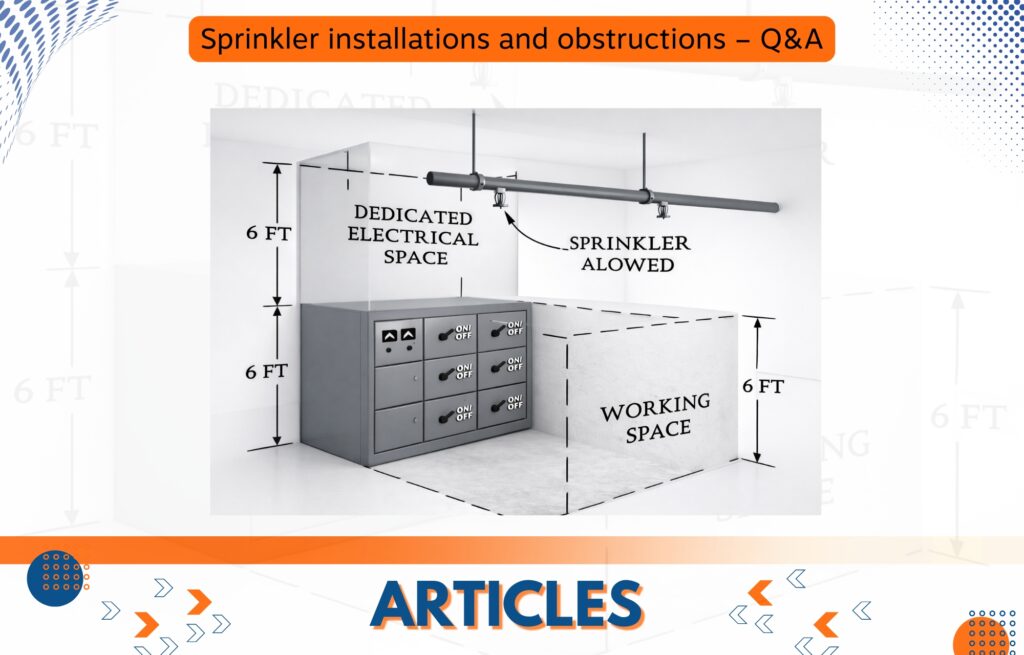
INTRODUCTION: Sprinkler protection is a crucial element of fire and life safety in buildings. Sprinkler fire suppression systems must be implemented in accordance with the relevant standards and with suitable coordination with other building services during the course of a project. There shouldn’t be any issues if everything is placed in accordance with […]
Fire alarm and sprinkler system: A great combination
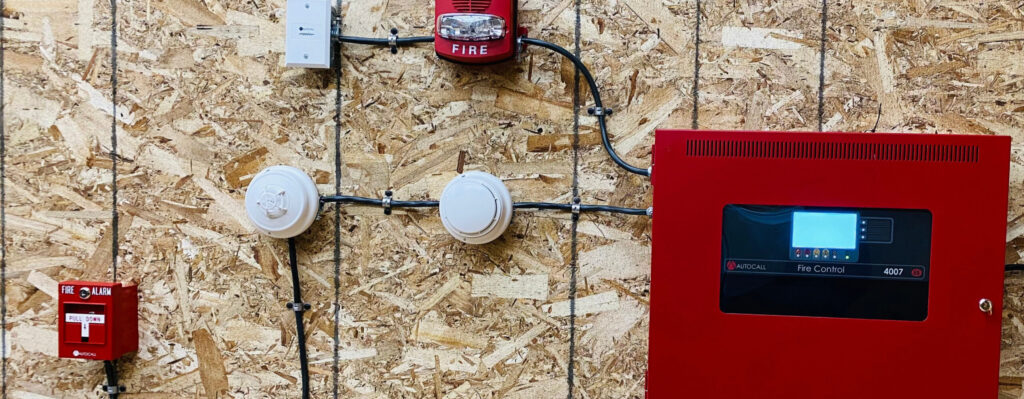
INTRODUCTION: Automatic sprinkler systems and fire alarms have long been used together to protect building inhabitants and improve fire prevention. A fire alarm system is defined by the International Fire Code (IFC) as a system or portion of a combination system consisting of components and circuits arranged to monitor and annunciate the status of fire […]
Remote inspection for fire sprinkler
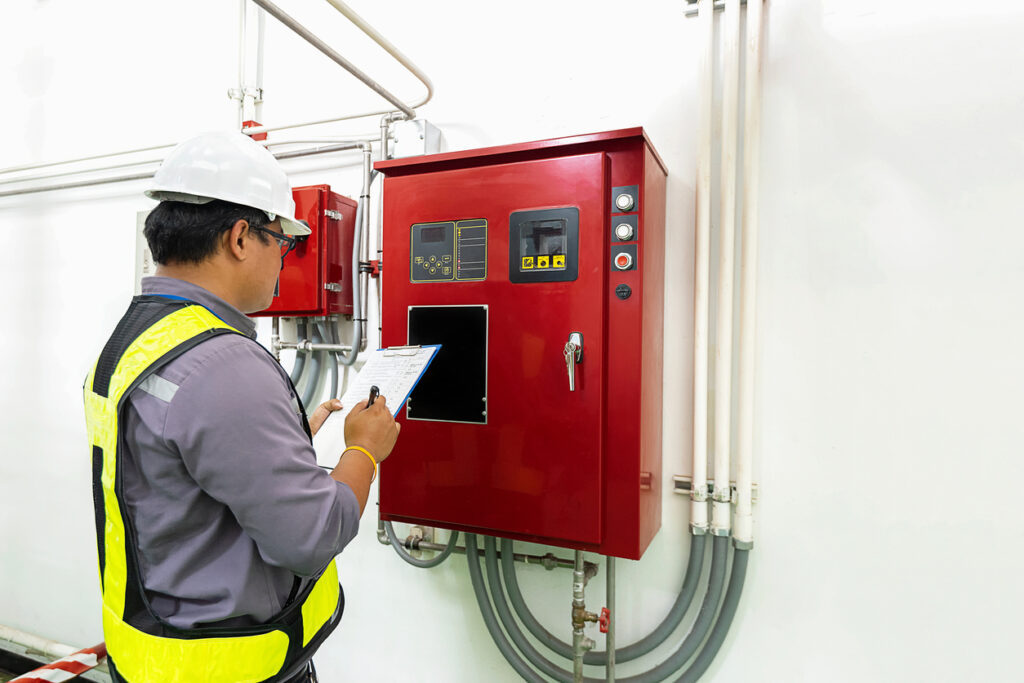
INTRODUCTION: Remote inspections have increased significantly in recent years, with NFPA, ICC, and local codes expanding their rules and recommendations. Remote inspections are performed using sophisticated technological tools transmitted by one party to a qualified person, reducing or eliminating inspector risk exposure to hazardous conditions, pandemic restrictions, and dangerous tasks. Inspection costs are reduced with […]
ITM of fire sprinkler systems
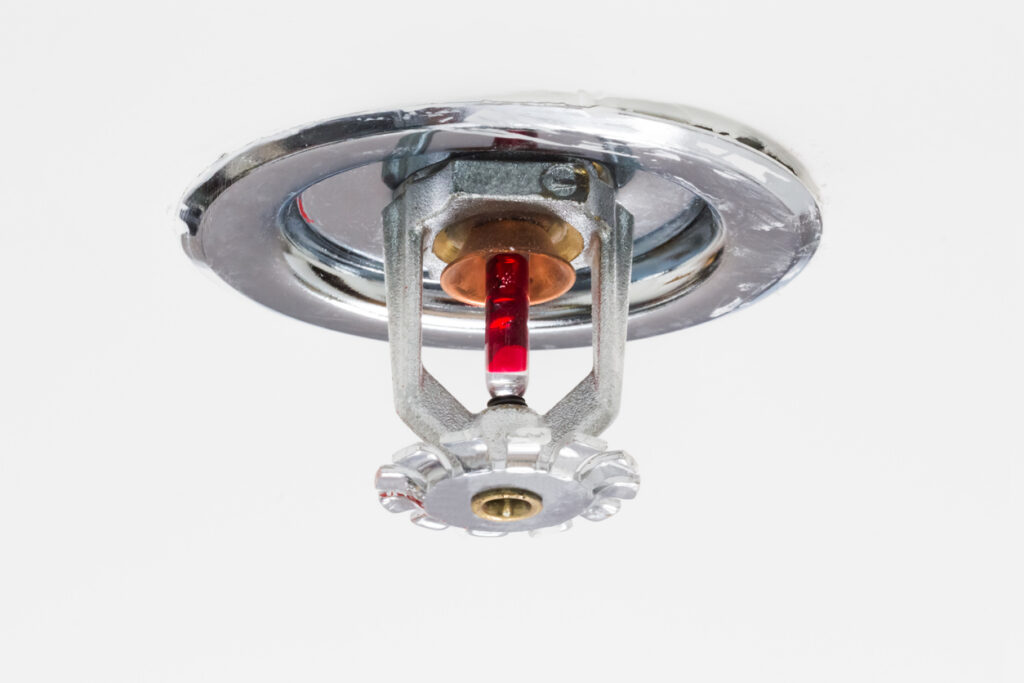
Inspection, testing, and maintenance (ITM) of fire sprinkler systems must be done correctly. Maintaining a temperature of at least 40 degrees (F) is crucial to avoid freezing. The majority of the time, dry pipe or antifreeze systems are used to cover sprinkler areas that cannot be kept at 40 degrees or above. Before the onset […]
Fire Sprinkler System parts – Q&A
INTRODUCTION : Fire sprinkler systems are cost-effective fire protection methods used in homes, warehouses, stairs and commercial buildings. Fire sprinkler heads are components of a sprinkler system that discharge water when a fire is detected. They come in assorted designs, with conventional heads discharged onto the ceiling, upright or pendent spray sprinklers aim all the […]
Changes to ULC-S536
Over the last 20 years the complexity of buildings has grown to take advantage of the numerous technological advances we have all experienced. Building systems such as fire detection and alarm systems have grown in complexity as well. This has resulted from new technologies in system design and operation and to facilitate the evolving strategies […]
NFPA Best of October 2022
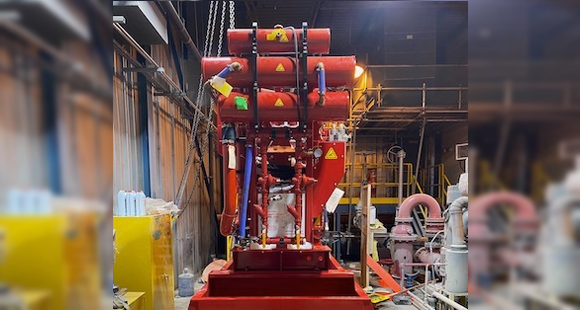
The main drain pressure gauge should be located on the riser itself. The fact that the pressure gauge is located on the main drain piping is a likely cause of the inconsistent pressure readings for a few reasons. One issue is the considerable turbulence caused by the mechanical tee and the elbow on the main […]
Arc Flash Studies
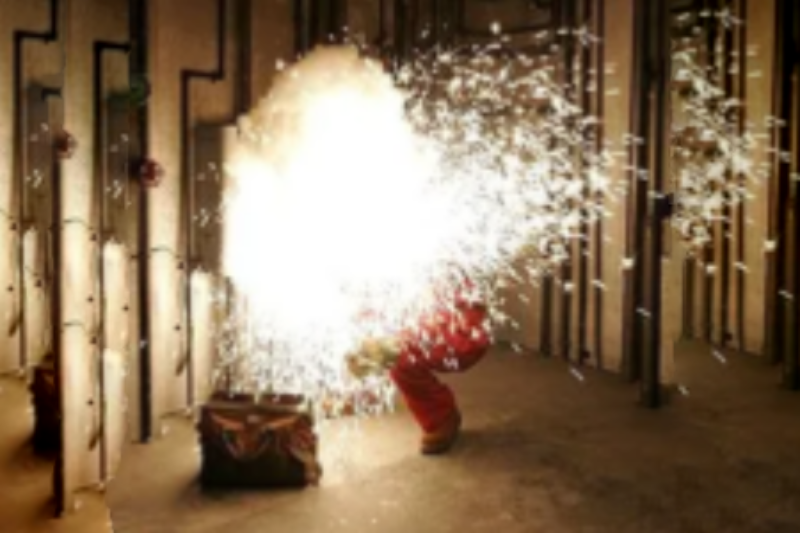
Shock and Arc-Flash Analysis and Equipment Labeling Arc Flash Studies are essential to maintaining and electrically safe workplace. CSA Z462 standard requires that the employer shall “establish, document, and implement the safety-related work practices and procedures”. If employees are required to perform work on electrical equipment, they need to know the hazards so they can […]
Electrical Cabinet Fire Suppression
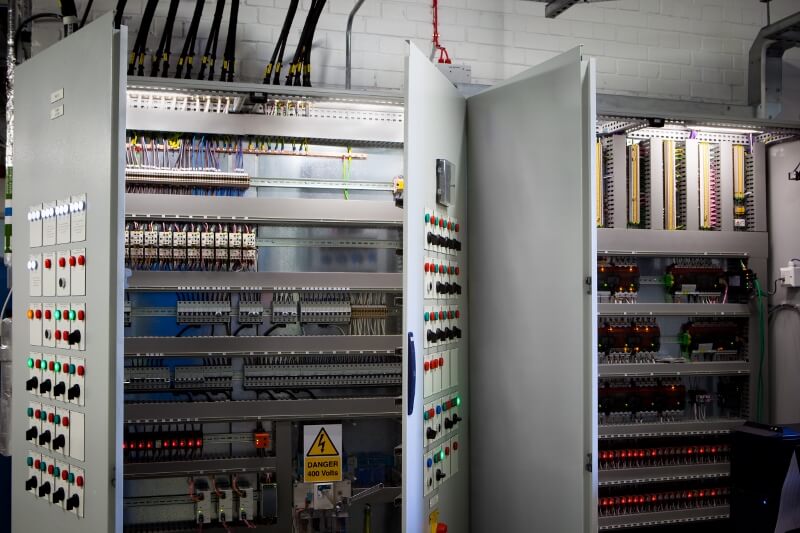
Electrical equipment, such as disconnect switches, overcurrent protection devices (such as fuses and circuit breakers), bus bars, terminals for connecting service and branch circuit wiring, more complex equipment like surge protection, and control writing, are all housed and protected in electrical cabinets, which are merely enclosures. The National Electrical Manufacturers Association (NEMA) has rated electrical […]