Home / Fire Alarm Systems
Rotaflow specialises in the design, programming, inspection, testing, verification and maintenance of fire alarm and gas detection systems for industrial, commercial and institutional establishments. Rotaflow will work with you in system design, panel programming, CAN/ULC-S537 verification and CAN/ULC-S1001 compliance to guarantee your life safety systems fulfil Canadian regulations, AHJ criteria and industry standards while providing dependable long-term performance.
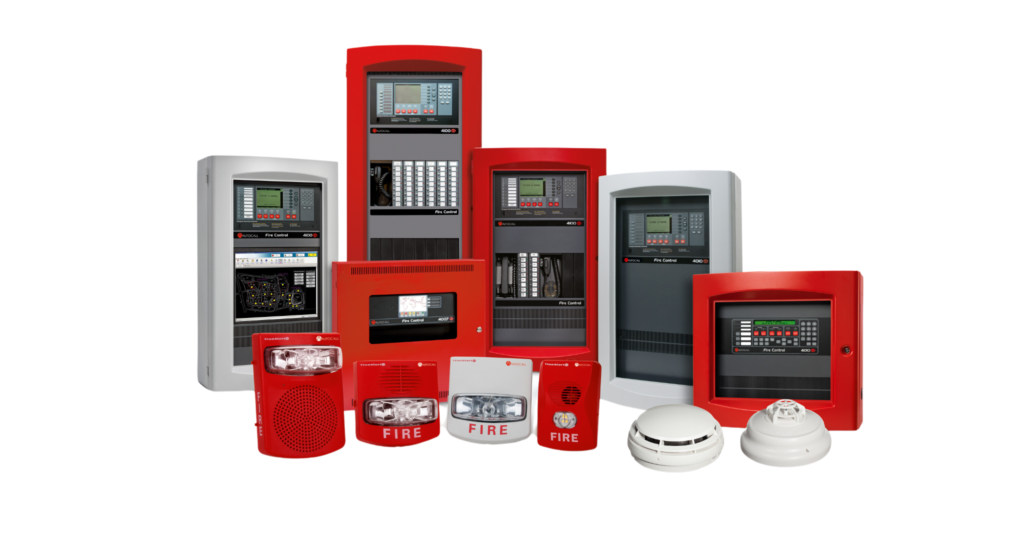
Rotaflow offers complete fire alarm and gas detection services from design, programming, verification, inspection, testing and compliance assistance for industrial and commercial facilities.
Rotaflow utilises established platforms such as Autocall and Notifier to develop fire alarm and gas detection systems. System architectures, device choices and panel arrangements are built to fulfil facility requirements, CAN/ULC standards and individual project operational objectives while providing reliable long term performance.

Rotaflow programs fire alarms and gas detectors in house to ensure that all devices, control panels, annunciators and monitoring systems communicate seamlessly with one another. Programming services are tailored to support the operation of the facility, future growth and regulatory requirements.
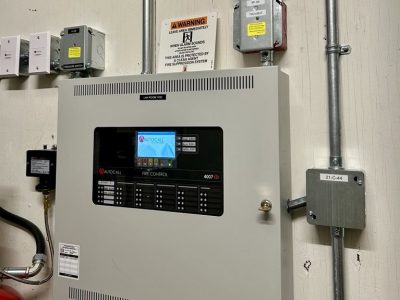
Rotaflow provides complete fire alarm verification services in line with CAN/ULC-S537. Verification processes ensure the proper function of all devices, circuits, control functions and notification systems prior to occupancy or system turn over.

Routine inspections and testing maintain compliance and help to guarantee the system can operate reliably. Our technicians check fire alarm panels, starting devices, notification appliances, communication paths and integrated components for flaws and being prepared.
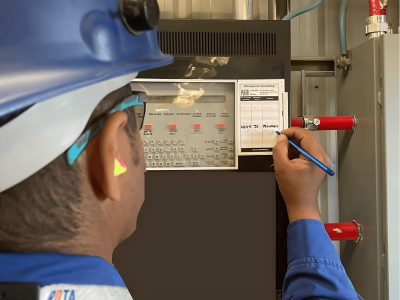
Detailed reports, verification records, deficiency data and compliance certificates are provided to support AHJ reviews, regulatory obligations and facility recordkeeping. Documentation is developed to meet appropriate CAN/ULC standards and local fire code requirements.

Rotaflow provides troubleshooting, maintenance, system adjustments, upgrades, and technical support to ensure facilities remain compliant and reliable in the long run. Current service programs are designed to meet operating needs and evolving regulatory obligations.
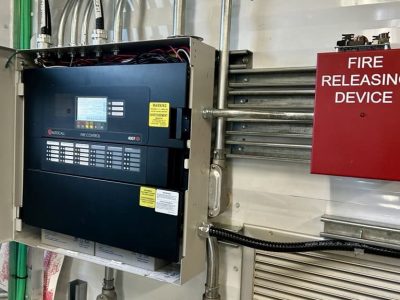
Rotaflow follows a structured process for designing, programming, verifying, testing, and maintaining fire alarm and gas detection systems.
Fire alarm systems and gas detection systems are developed to CAN/ULC standards and facility specifications.
In-house programming allows for precise connection between panels, equipment and monitoring systems.
Verification reports and compliance records are generated to support AHJ and regulatory reviews.
Systems will be installed to authorised designs, applicable codes and project specifications.
Thorough testing of CAN/ULC-S537 and CAN/ULC-S1001 validates correct system operation.
Regular inspections, testing, troubleshooting and maintenance assure system reliability.
Rotaflow provides inspection, verification, testing and compliance services to help facilities maintain reliable fire alarm and gas detection system performance and meet CAN/ULC standards, NFPA criteria and local AHJ regulations.
Rotaflow delivers reliable fire alarm and gas detection solutions by uniting certified expertise, in-house capabilities and code-compliant procedures.
Good knowledge of CAN/ULC standards assists in ensuring proper compliance and verification.
One experienced team does the design, development, testing and documentation.
Inspection and verification services are used to maintain system performance and readiness.
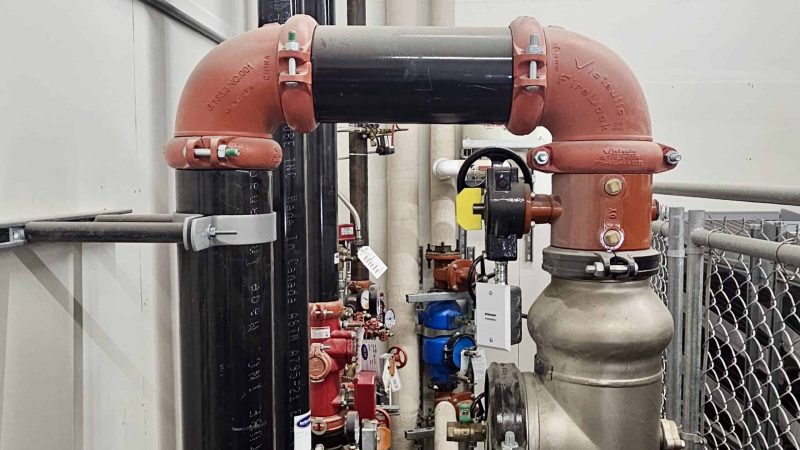
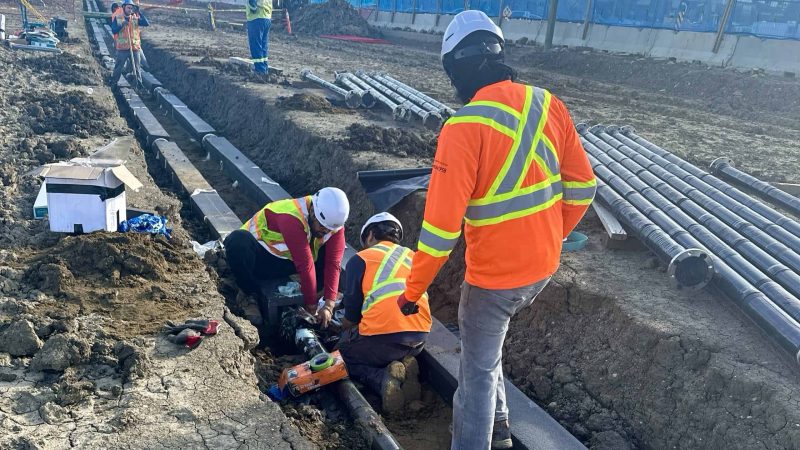
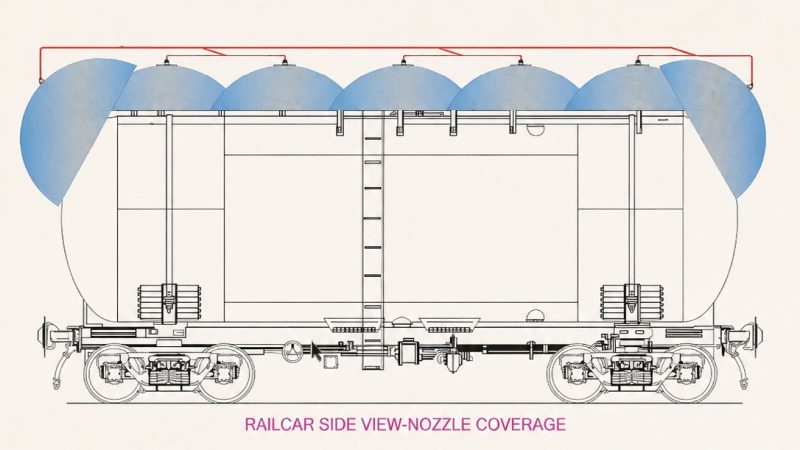
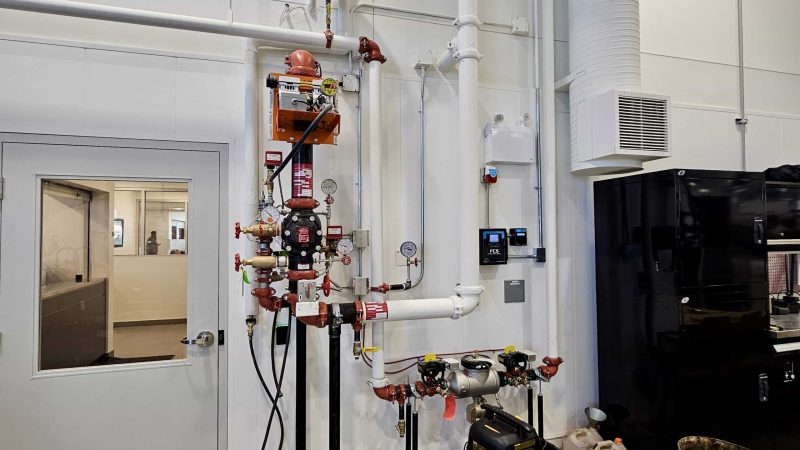
As per the new 2019 Alberta Fire Code, Water-Based Fire Protection Systems have to be maintained in good working order and be checked and tested according to NFPA 25. Fire protection systems that are water-based include standpipes, sprinkler systems, public and private hydrants, systems of hoses stationary water sprayers and foam-water sprinkler systems as well as fire pump systems. This standard specifies the minimum requirements. However, higher standards might be demanded by your insurance provider depending on the nature of facility.
Quarterly
A brief inspection is required every three months for certain parts of the system such as Pressure Gauges Water-flow Devices and supervisory Devices. While it is required under the Fire Code, this is not always implemented locally by authorities. But, an investigation after the incident usually requires the reports of the inspections. Failure to perform the quarterly inspections can result in the liability of the company in the event of the system failing.
Yearly
Each year, all the components of the system have to be tested and inspected. Alongside the items that are checked every quarter, it also includes a visual inspection of the entire system from below which means having access across the whole space within the structure is necessary. Also, it is necessary to check all fittings, gauges, drains, valves, and antifreeze as well as fire department hookups wrenches, spare heads, as well as data plates. Also, the Backflow Preventor device should also be examined in conjunction with the Backflow Preventor device in accordance with the requirements of Water Utilities (EPCOR). Based on the complexity and size of your system this could take anything between an hour and several days. The majority of commercial structures are completed in a time of a day. Residential buildings of large size could take a couple of days when you need to gain access to a large number of suites. Industrial sites could take longer. The majority of annual commercial inspections will need only one technician. As every system is different, the best way to obtain an estimate for the cost of an inspection is to provide us with a previous inspection report, along with the size (sq ft) of the building and approximate allocation of space (office/warehouse/shop/apartments/etc).
Non-Annual
Alongside the regular annual maintenance and inspection, additional work could be required on a 3- or 5-year basis based on the kind of system. This may include hydro-static tests, flow-test pressure tests, as well as obstruction investigations. The majority of these tasks are performed by two techs and will take at least a half day.
WHAT DO YOU CAN EXPECT?
Inspections every quarter and annually are usually conducted by a single technician. Technicians will divide the time in between checking the system components in the valve room, and then conducting a visual inspection of the heads and piping throughout the area of protection. This will include checking the connection to your Fire Alarm panel (if connected) and the customer must call their alarm monitoring company to inform them of the test.
If there are any issues in the system, there are two possibilities for what can occur. Minor issues may be addressed by the technician before he leaves When the fix involves the use of any components or labor the client representative should be present to sign off on the work. If the issue is not fixed immediately, it will be reported on the inspection report and a quotation will be given in the event that it is feasible and a follow-up maintenance schedule will be set after approval. Any serious issue with the system will be brought to the attention of our on-site contact.
PREPARATION
There are some things clients must consider in preparation in advance for a visit.
Notice to post – when in a residence, each tenant must be informed at least 48 hours prior to when an inspection is scheduled to take place. Access is required to any unit that has a sprinkler head within.
Monitoring – The majority of systems for alarms are monitored through a company or another monitoring company. The function of a monitoring company is to inform the fire department when an alarm triggers within your system. A part of testing the sprinkler system involves testing for the proper communication to the Fire Alarm panel. In the course of tests, the monitoring company is required to be informed to ensure they do not initiate an emergency response from the fire department. The customer will have to inform their monitoring provider prior to starting and following the conclusion of the testing.
Access – Technicians need access to every part of the building that has sprinkler protection. This includes server rooms, mechanical rooms as well as residential rooms. Make sure that technicians have keys or escorts when needed.
Do not panic.
Freeze UPS
Do not freeze the pipes. Turn off your fire alarm (if there is one). Contact us, and let our technician take an initial look. In many instances, it is much quicker and more efficient to finish repair work in the event that the melt is conducted in a controlled fashion.
It is necessary to set fire watches in the area shut down until the service is restored.
Note that any weekend or after-hours service or moment we have to cancel any other scheduled work in order to send someone out to your premises is deemed an emergency call-out and the minimum charges or overtime rates will apply.
Automatic sprinkler systems and fire alarms have long been used together to protect building inhabitants and improve fire prevention. A fire alarm system is defined by the International Fire Code (IFC) as a system or portion of a combination system consisting of components and circuits arranged to monitor and annunciate the status of fire alarm or supervisory signal-initiating devices and to initiate the appropriate response to the signals. Alarm starting devices and supervisory devices are among the parts that a fire alarm system keeps an eye on. If a monitored alarm device detects a probable fire condition, the fire alarm control panel (FACP) will detect a signal and initiate the proper reaction. If the building has an occupant alerting system, the horn/strobes or voice evacuation system will activate.
CAN/ULC-S536 applies to the periodic inspection and testing of an existing fire alarm system in service to verify that it continues to work properly during its service life. CAN/ULC-S537 covers verification, which is a one-time, comprehensive test on a new installation or after significant modifications, to ensure that the system was installed and programmed correctly before handover or return to operation.
Integrated testing is required for new construction before occupancy and following any modification to interconnected life safety systems, one year after the initial test and every five years thereafter. It tests that systems such as fire alarms, sprinklers, smoke control, elevator recall and emergency lights work together properly in simulated emergency conditions and not only in isolation.
The usual approach is to put devices in zones, so a signal shows the zone that was triggered, but not the exact device. The next step in troubleshooting is to physically inspect each device on that circuit. An addressable system gives each device a unique ID, so the panel knows exactly which detector or pull station was engaged. This speeds up fault-finding, and also enables significantly more detailed programming of response logic per device.
VESDA continuously takes air samples through a network of pipes to a very sensitive laser detection chamber, so it can catch smoke at far lower concentrations than a spot detector waiting for smoke to reach it. This is generally specified for situations where early warning is vital or when airflow, ceiling height or contamination might delay the smoke from reaching a normal detector. Typical applications include data centers, cleanrooms, high-ceiling warehouses and cold storage.
Cause-and-effect programming dictates how individual fire alarm devices respond and how any associated building systems respond. Depending on the activation point, the system may trigger occupant notification, release magnetic door holders, recall lifts, engage smoke control systems or activate suppression equipment. Proper programming ensures all interconnected life safety systems respond in the proper sequence during an emergency.
Novec 1230 Fire Suppression System:
FK-5-1-12 is a cutting-edge, sustainable clean agent designed to suppress fires efficiently while being safe for the environment. It provides:
At Rotaflow, we’re committed to delivering integrated fire alarm and gas detection solutions with the highest standards of safety, reliability, and compliance. Whether you’re installing new systems or maintaining existing ones, we ensure your premises are always protected.
1. Compliance Assurance
Our inspections are conducted in full compliance with national and regional standards including the National Fire Code (NFC), Alberta Fire Code (AFC), and ULC Standards (ULC-S536, ULC-S537). With our expert fire alarm verification services, you’ll meet legal requirements and maintain occupant safety.
2. Early Detection
We believe prevention is better than cure. Through comprehensive inspection and fire alarm system testing, we detect potential issues before they escalate. Whether it’s sensor malfunctions or dust accumulation, we identify and resolve these problems early to reduce false alarms and ensure system reliability.
3. Enhanced System Reliability
In a fire emergency, seconds matter. Regular fire alarm inspections boost the reliability of your fire alarm system. Rotaflow’s team delves deeper to address any underlying problems, ensuring your system operates flawlessly when you need it most.
CAN/ULC-S537 is a key Canadian standard that governs the verification of fire alarm systems, ensuring they are properly installed, operational, and effective across various building types—residential, commercial, industrial, and institutional. Compliance with this standard is essential not only for meeting regulatory requirements but also for enhancing life safety and reducing risk. A validated system ensures early detection of fire, smoke, or heat, enabling faster evacuation and emergency response. Additionally, many insurance providers require verification reports, and Authorities Having Jurisdiction (AHJs) often mandate compliant documentation for occupancy permits or system acceptance.
Verification under CAN/ULC-S537 is required in several scenarios, including:
In all cases, verification must be completed before the system is handed over to the building owner or operator. Rotaflow Fire & Utility, a fully accredited provider serving Edmonton, Calgary, Fort McMurray, and Western Canada, offers end-to-end fire alarm services—from design and installation to maintenance and CAN/ULC-S537 testing—ensuring full compliance and peace of mind.
At Rotaflow, CAN/ULC-S537 testing is conducted through a structured and fully documented process to ensure fire alarm systems meet Canadian compliance standards. The verification begins with a visual assessment to confirm that all devices are properly installed, labeled, and unobstructed. This is followed by functional testing of components such as control panels, smoke and heat detectors, manual pull stations, and alert appliances. The system’s ability to transmit signals—including alarms and trouble conditions—is then verified for accuracy and timeliness. Visibility and audibility tests ensure alarms meet minimum decibel levels and visual intensity standards as per NFPA 72 and local codes. Power supply testing checks the reliability of batteries and generators during outages. Finally, all findings are recorded on ULC-compliant forms, and a signed verification certificate is issued to the building owner and the Authority Having Jurisdiction (AHJ).
Compliance with CAN/ULC-S537 is not optional in many jurisdictions. Local building codes and fire regulations often require verified fire alarm systems before occupancy is granted. Failure to comply can result in:
Rotaflow supports clients across Alberta by guiding them through legal requirements, ensuring full compliance with provincial and local fire safety standards, and assisting with the submission of all necessary documentation.
CAN/ULC-S1001 is the Canadian standard for verifying and documenting the integration of fire protection and life safety systems. It ensures all interconnected systems operate cohesively during emergencies, protecting occupants and maintaining compliance.
Integrated systems testing is required for new constructions before occupancy, after modifications that affect safety systems, and at regular intervals—one year after the initial test and every five years thereafter. A certified Integrated Testing Coordinator (ITC) is responsible for planning, executing, and documenting the process to meet regulatory standards.
The Integrated Testing Report includes a comprehensive plan, recorded test results, repeat examinations if necessary, and all required compliance documentation. This report is provided to building owners, regulatory authorities, and on-site maintenance personnel to ensure ongoing system reliability.
Critical systems requiring testing include fire alarms, automatic sprinklers, emergency power, smoke control, elevator recall, and emergency lighting. Coordinated testing verifies their proper function in emergencies, ensuring the safety and compliance of the building.
Adhering to CAN/ULC-S1001 guarantees that fire and life safety systems function as an integrated unit, minimizing risks and meeting regulatory requirements.

From scoping and detailed design to construction and maintenance, if you’ve got questions or ideas you would like to share, send a message.
