Home / Fire Suppression with Hydrants and Monitors
Rotaflow offers comprehensive fire protection solutions comprising high performance fire hydrants and monitors for speedy emergency response. They are used to safeguard industrial facilities, commercial structures, municipal infrastructure and other high-risk areas.
Rotaflow conducts periodic audits and certification assessments to verify all systems are consistently conforming to current industry requirements.
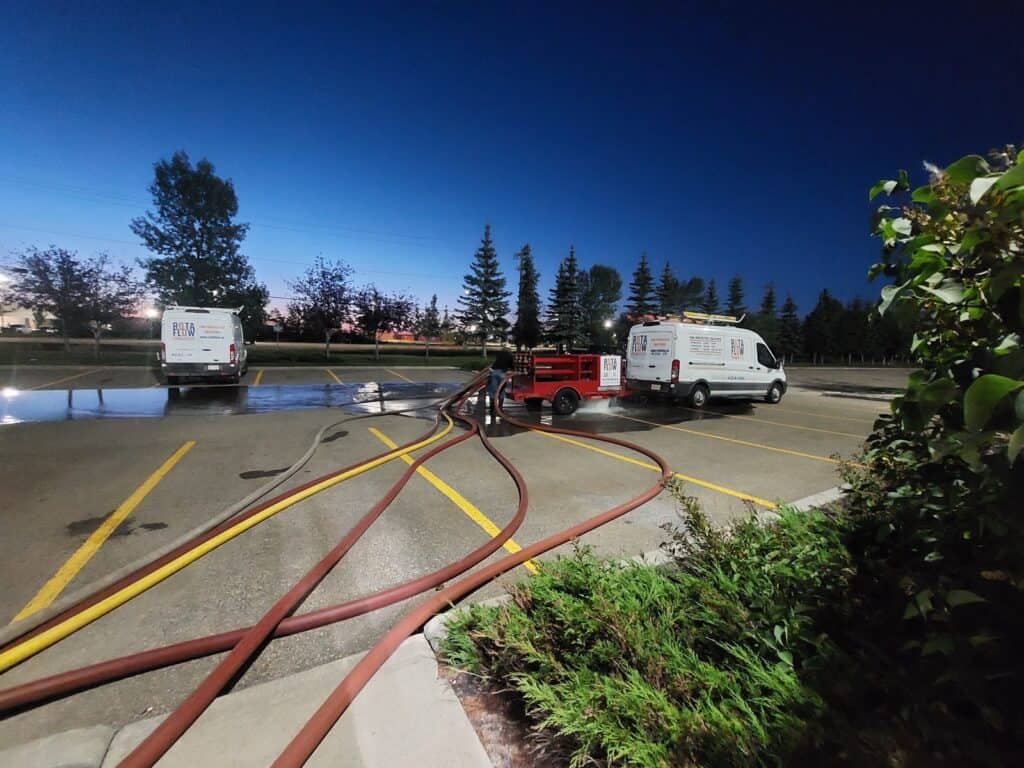
Rotaflow offers installation, testing, maintenance and emergency support services for hydrants and monitor systems.
Rotaflow designs and installs fire hydrants and monitors based on site conditions, hydraulic requirements, compliance standards and emergencies response requirements.
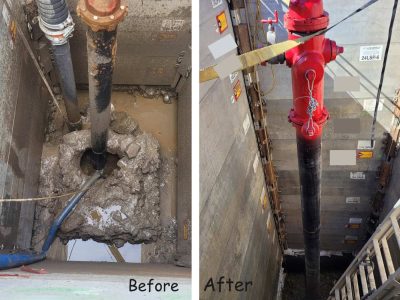
Flow testing of hydrants, monitor checks, valve inspections and leak assessments are conducted to verify dependable performance of fire prevention systems.
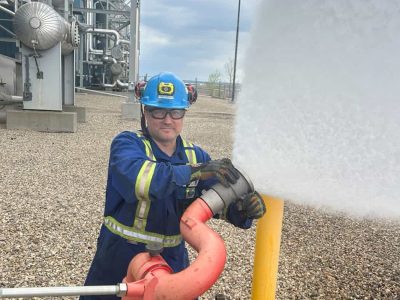
Preventative maintenance services include lubrication, flushing, repairs, component replacements and system upgrades to ensure continued compliance.

24/7 Emergency repair support Provides quick response to restore hydrants and monitor system performance during unanticipated failures or operational concerns.

Hydraulic flow study confirms that hydrant and monitor systems will provide appropriate pressure and volume of water in an emergency.
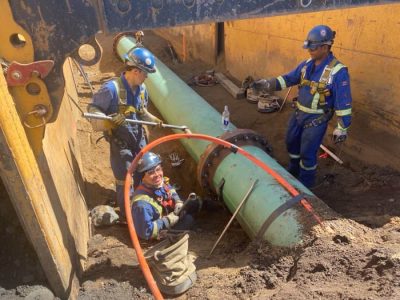
Rotaflow helps facilities with NFPA compliance through inspections, testing paperwork and system performance verification.
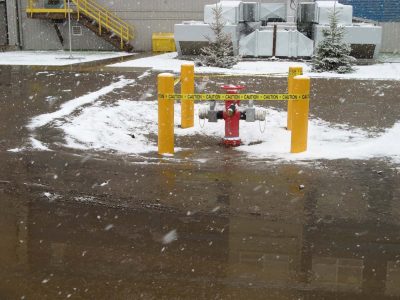
Rotaflow delivers consistent hydrant and monitor system assistance to help facilities maintain emergency readiness, compliance and fire protection performance.
Rotaflow combines experience, state of the art testing and reliable support to ensure dependable performance of hydrant and monitor systems.
Consistent communication and project updates keep clients informed at every stage.
BIM and hydraulic analysis tools support accurate hydrant and monitor system planning.
Experienced technicians deliver precise installation, testing, and maintenance services.
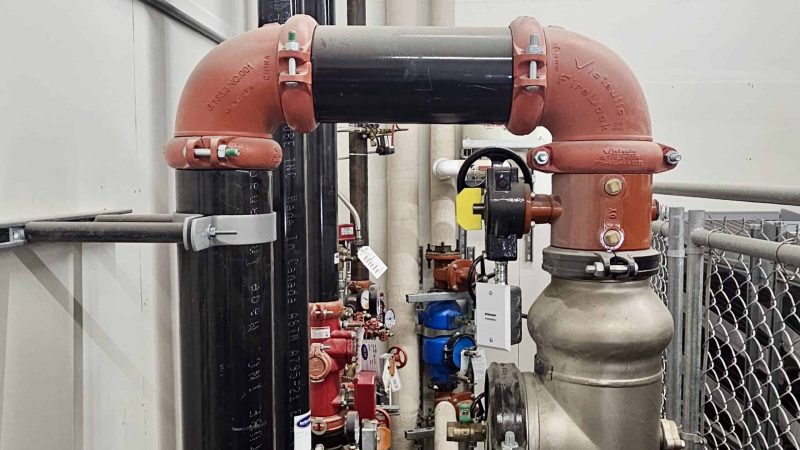
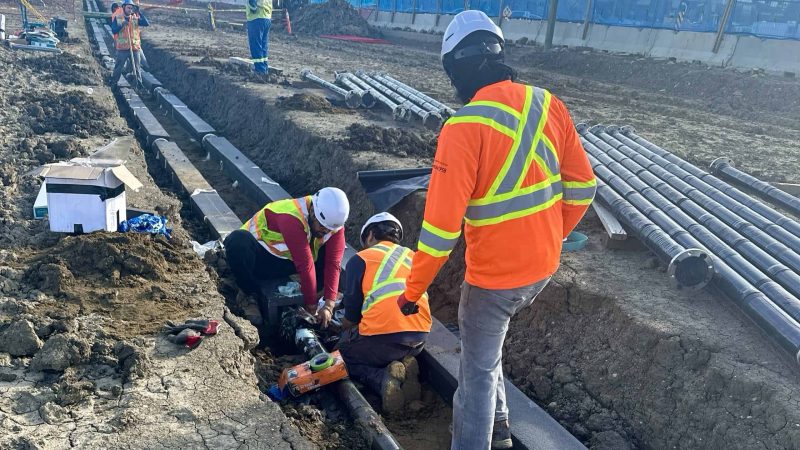
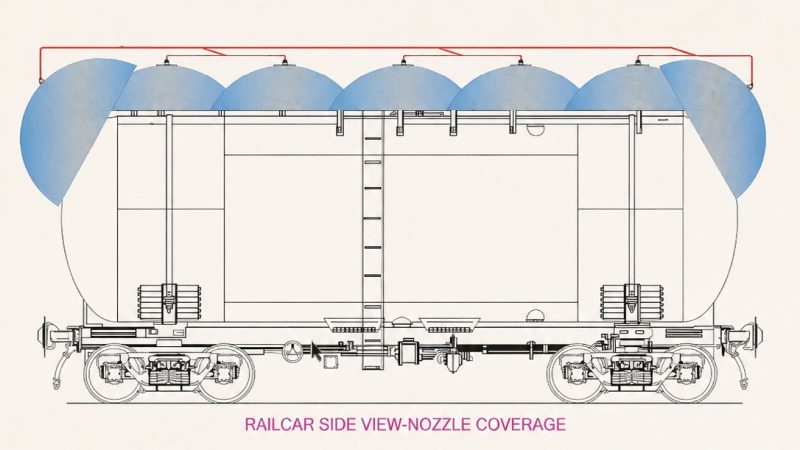
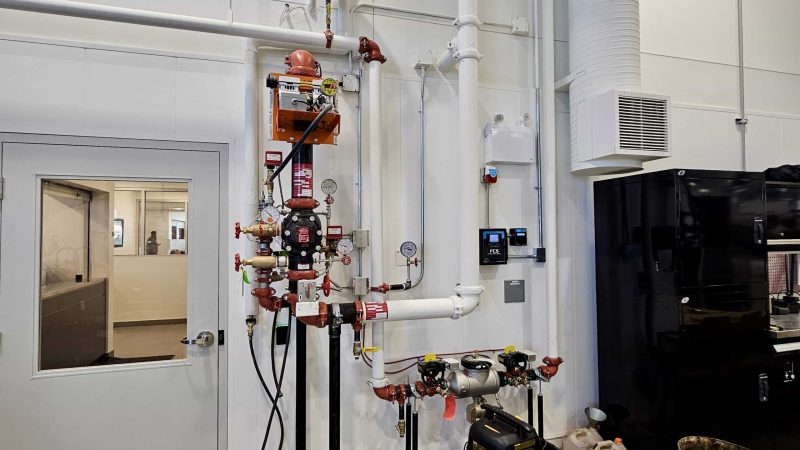
Fire hydrants should be inspected at least once a year, while fire monitors should undergo regular performance testing and maintenance based on industry standards
Yes, but it must comply with local fire codes and NFPA regulations. Private hydrants and monitors require regular maintenance to remain operational.
A failed hydrant can delay firefighting efforts. Regular hydrant flushing, testing, and maintenance prevent failures and ensure readiness during fire emergencies.
Contact us today for a free consultation or to schedule a fire hydrant and monitor inspection:
Call Us: 780-469-1220
Email Us: enquiries@rotaflow.ca
According to NFPA 291, hydrant flow ratings for hydrants with a static pressure greater than 40 psi are based on a residual pressure of 20 psi. For hydrants with a static pressure of less than 40 psi, the rating is based on one-half of the static pressure. This difference is important when interpreting flow test results of lower pressure water distribution systems.
Class AA (1,500 gpm or greater): Light Blue
Class A (1,000–1,499 gpm): Green
Class B (500–999 gpm): Orange
Class C (below 500 gpm): Red
NFPA 291 assigns these based on rated capacity at 20 psi residual. The scheme allows fire crews to immediately assess the available flow capacity on arrival, without having to look to test paperwork in the field.
Static pressure is the pressure at the residual hydrant that is taken with no hydrants flowing and represents normal distribution system conditions. Residual pressure is the pressure measured at that same hydrant with the flow hydrants actively discharging. The difference between the two readings is used to calculate how much fire flow is available in the system.
NFPA 291 offers standard test layouts with one hydrant designated the “residual” hydrant (where the static and residual pressures are both observed) and one or more additional hydrants designated “flow” hydrants which are opened to create the flow being measured. The residual hydrant is placed between the flow hydrants and the source of pumping so that the pressure drop it shows is representative of the real delivery capacity of the system under load.
A compliant test report per NFPA 291 shall include location, date, purpose, static and residual pressure readings, pitot readings and nozzle sizes for each flow hydrant, calculated flow rate, total gpm delivered, and projected flow results at a standard 20 psi residual, and a location map showing line sizes, valve positions and hydrant labelling for future reference.
Water-Based Fire Suppression Systems
Sprinkler Systems — Automatic fire control for commercial, residential, and industrial buildings.
Standpipe Systems — Vertical piping systems supplying water to fire hoses for manual suppression.
A fire monitor (also known as a water cannon) is a directional, high-capacity water or foam delivery system used to suppress large fires. These are typically found in:
Monitors can be manually or remotely operated, allowing precise control over water or foam discharge to extinguish fires efficiently.
Portable Fire Monitors:
Lightweight and easy to transport, these are used in temporary fire protection setups.
Fixed Fire Monitors:
Installed at hazardous industrial sites, fixed monitors ensure continuous fire suppression.
Manual Fire Monitors:
Operated by hand, manual fire monitors allow firefighters to control water or foam flow manually.
Remote-Controlled Fire Monitors:
Advanced monitors controlled remotely for precision firefighting in hazardous areas.
The First Line of Defense
A fire hydrant has an essential role in fire suppression system that provides reliable and sufficient supply of water to firefighters, fire trucks, and sprinkler systems during an emergency. Hydrants are installed strategically across urban areas, industrial plants, and high-risk locations to ensure quick access to water in case of a fire outbreak.

From scoping and detailed design to construction and maintenance, if you’ve got questions or ideas you would like to share, send a message.
